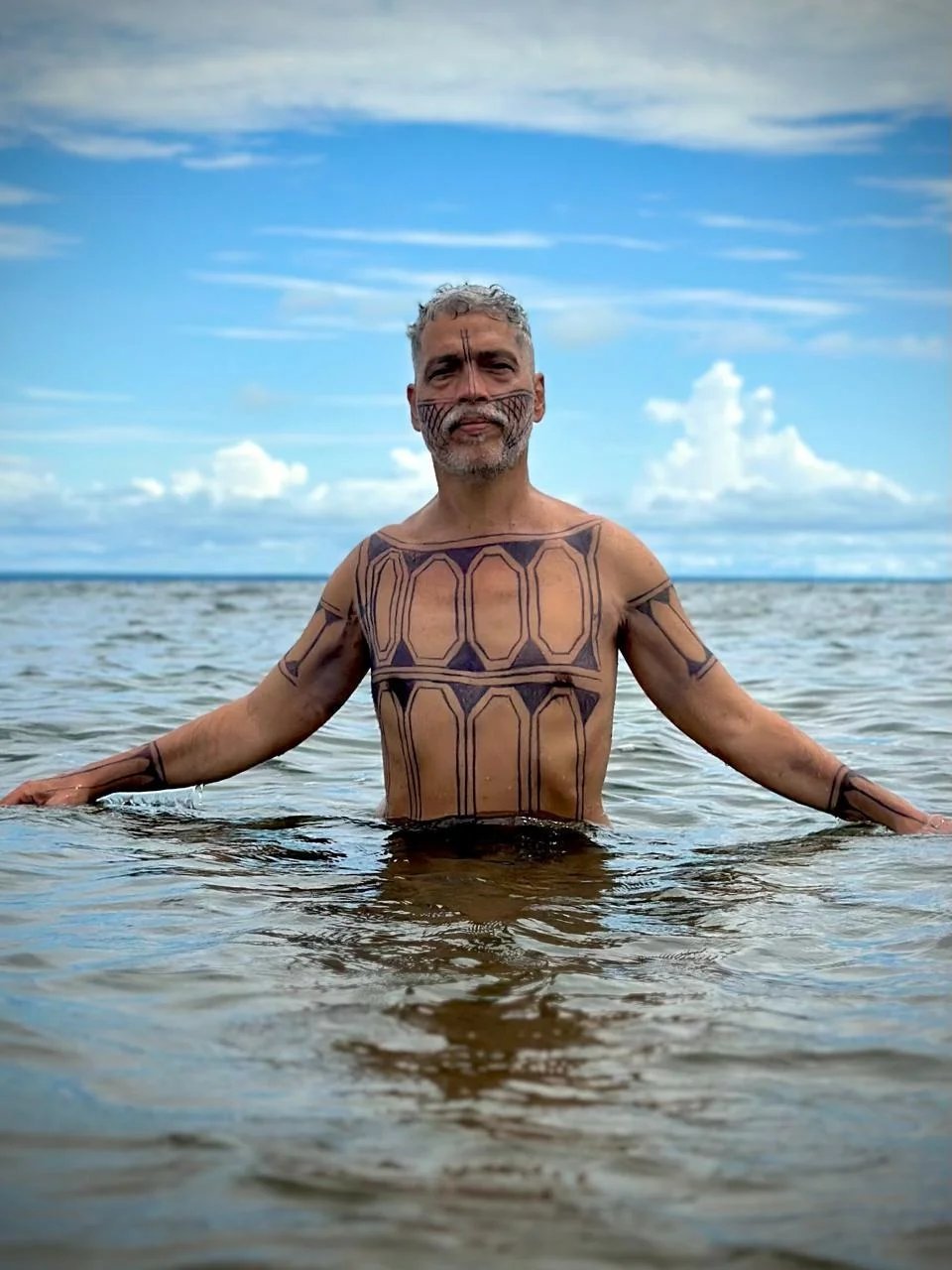
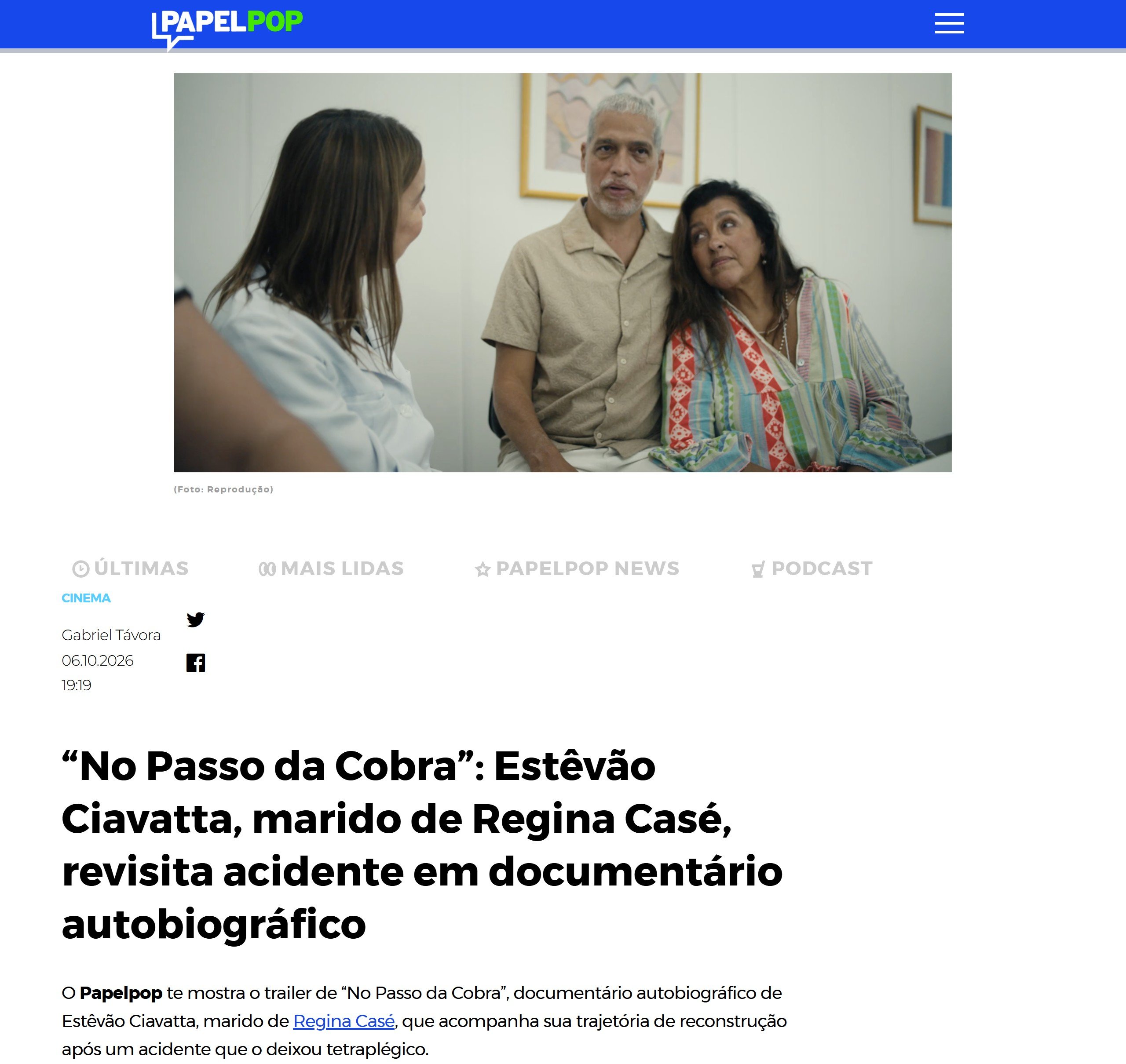
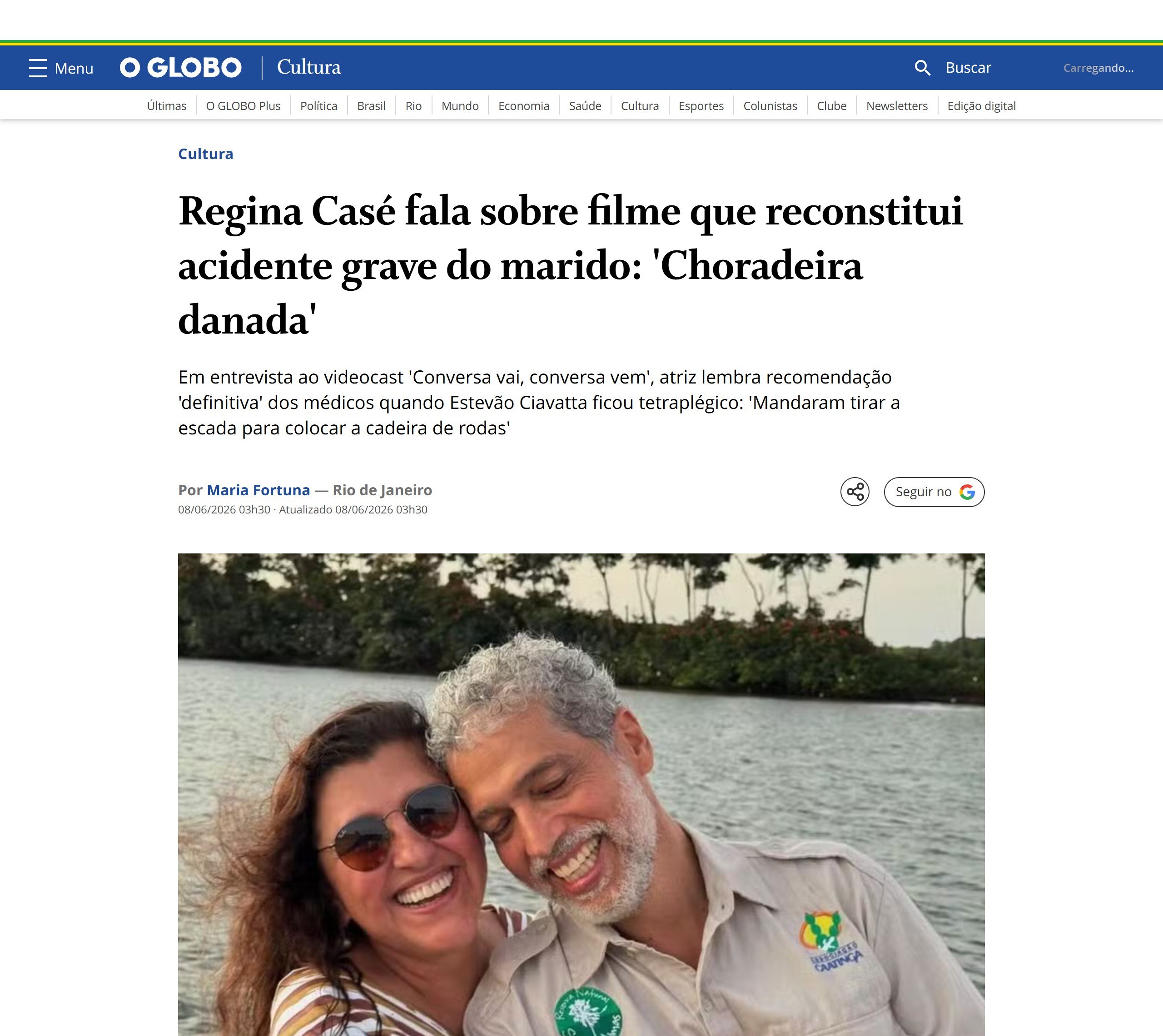
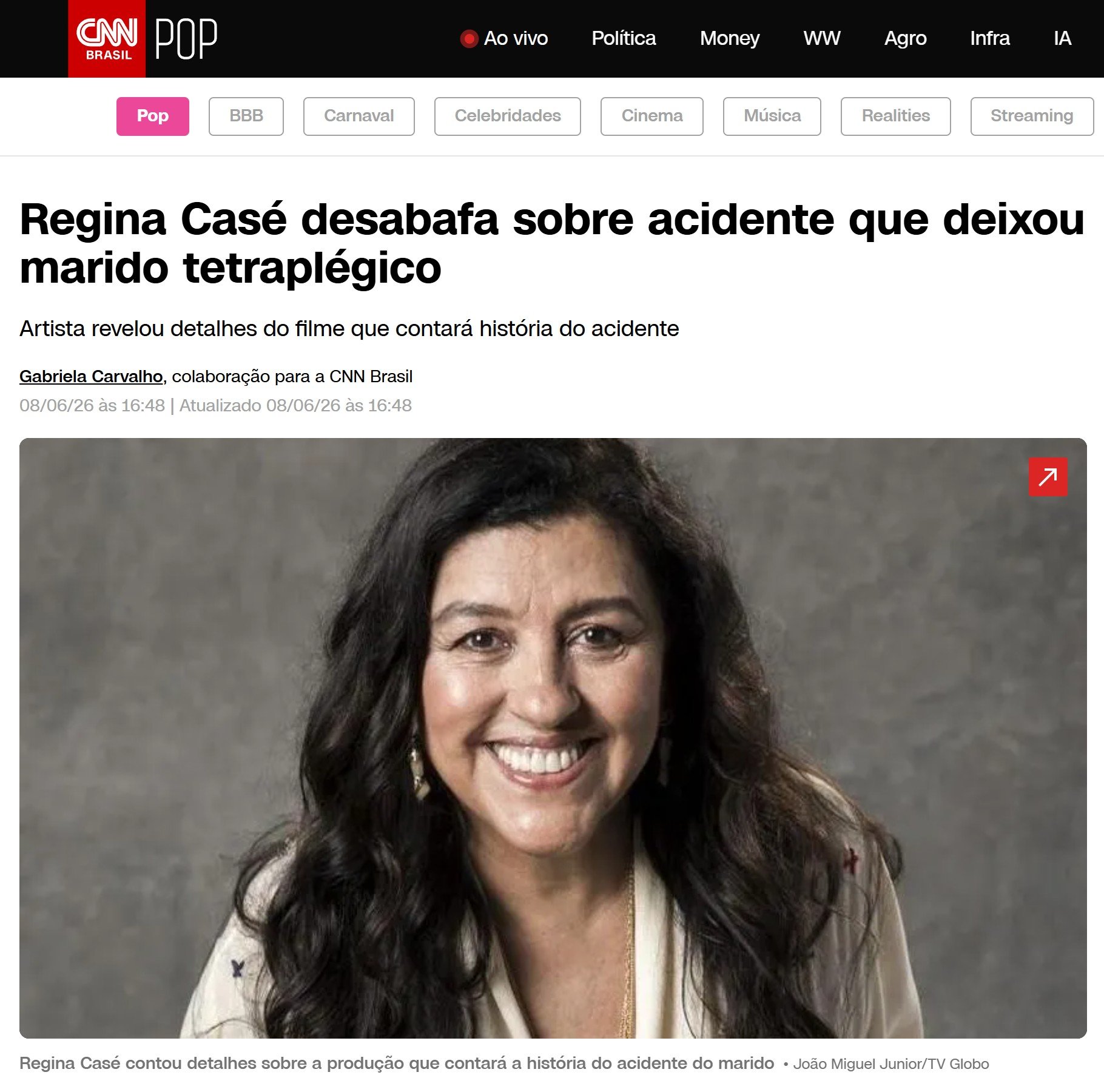
Em novembro de 2008, aos 40 anos, o cineasta Estêvão Ciavatta caiu de um cavalo e ficou tetraplégico. No Passo da Cobra é o documentário autobiográfico em que ele se olha como espectador de si mesmo e revisita a queda e a longa reconstrução que veio depois: a relação com o próprio corpo, com o tempo e com as transformações que o acidente trouxe, ao lado de Regina Casé, do Dr. Paulo Niemeyer, da Dra. Lúcia Willadino Braga e de Pai Celinho de Omulu. A partir da própria experiência, o filme pergunta como o sofrimento pode se tornar um caminho de volta à vida.
Dirigi o processo com IA que dá forma aos estados interiores, às sensações e às visões que o diretor gostaria de imprimir no filme: o corpo por dentro e a matéria de que é feito, o tempo parado de um hospital, os sonhos de que se acorda sem saber onde se está, o mar como abismo e como descanso, a infância em velocidade, a montanha que se volta a subir.
In November 2008, at 40, the filmmaker Estêvão Ciavatta fell from a horse and was left tetraplegic. No Passo da Cobra is the autobiographical documentary in which he watches himself as a spectator and revisits the fall and the long reconstruction that followed: his relationship with his own body, with time and with the transformations the accident brought, alongside Regina Casé, Dr. Paulo Niemeyer, Dr. Lúcia Willadino Braga and Pai Celinho de Omulu. From his own experience, the film asks how suffering can become a way back to life.
I directed the AI process that gives form to the inner states, the sensations and the visions the director wished to imprint on the film: the body from within and the matter it is made of, the stopped time of a hospital, the dreams one wakes from without knowing where one is, the sea as abyss and as rest, childhood at speed, the mountain climbed again.